
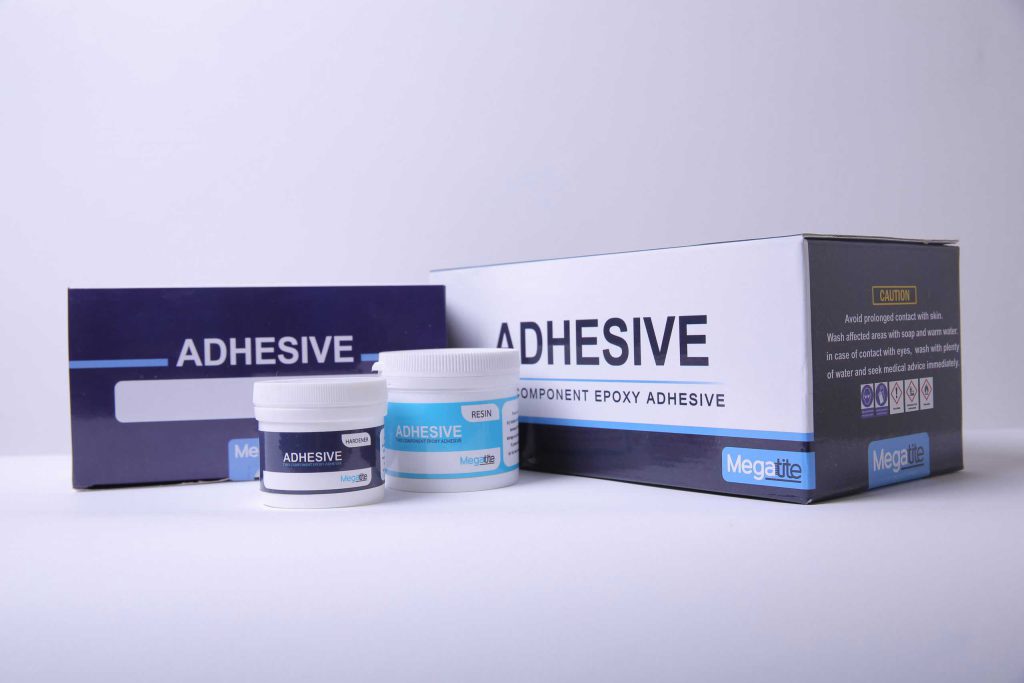
Megatite PH is a two-part heat curing adhesive
Megatite PH is a two-part heat curing adhesive. It has excellent mechanical, chemical and thermal resistance after it is cured in room temperature. Its mechanical, chemical and thermal resistance excessively increases after applying post curing. It is useful for a various range of metals and is used for taper/taper connections in fiberglass pipes and fittings formulated by the Pouyesh Composite Yekta company such as GRP, GRE, ABS, SMC, etc. This adhesive has excellent chemical resistance and also thermal resistance up until 302 °F (150°C).
Application of Megatite PH adhesive
Megatite PH is used for taper/taper connections in fiberglass pipes and fittings in different transmission lines.
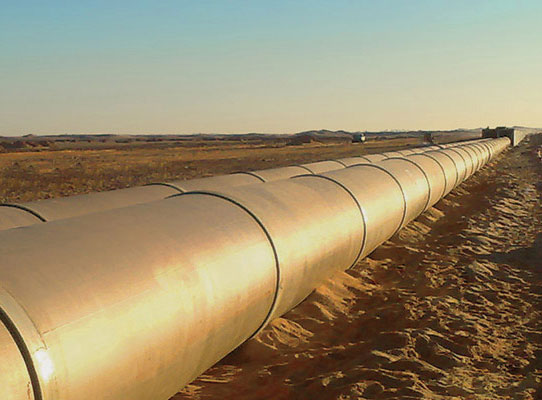
Crude oil transfer
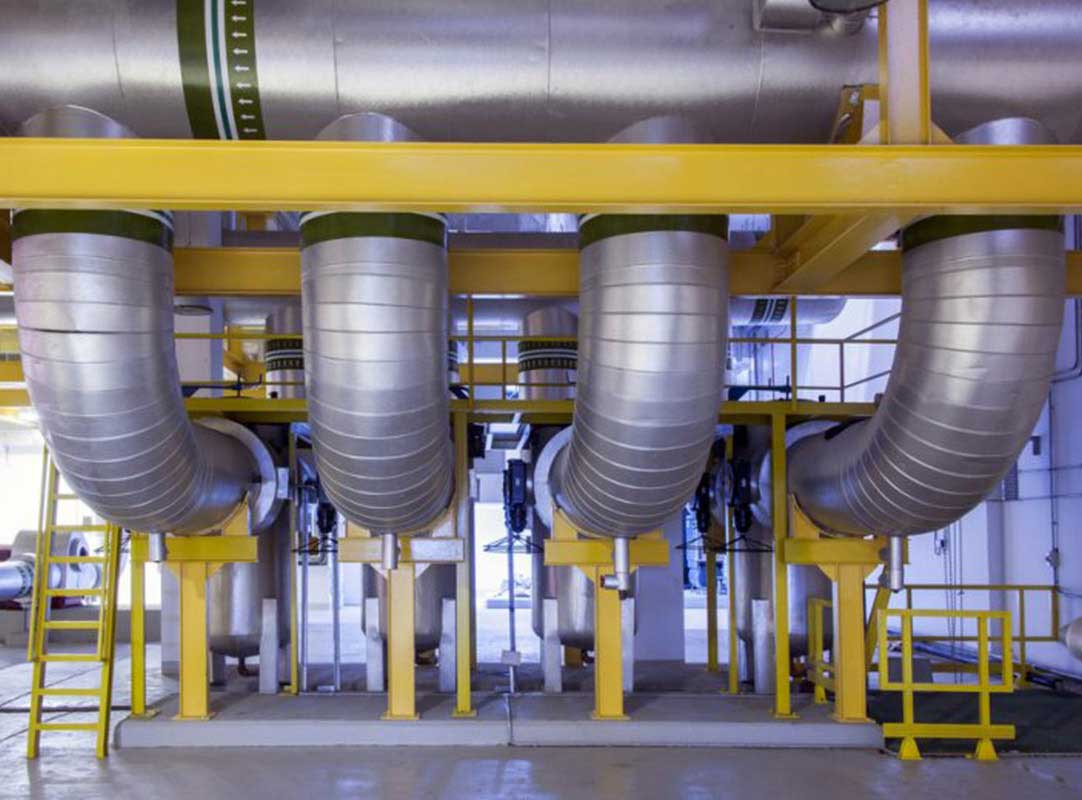
Seawater cooling systems

Transfer of corrosive liquids
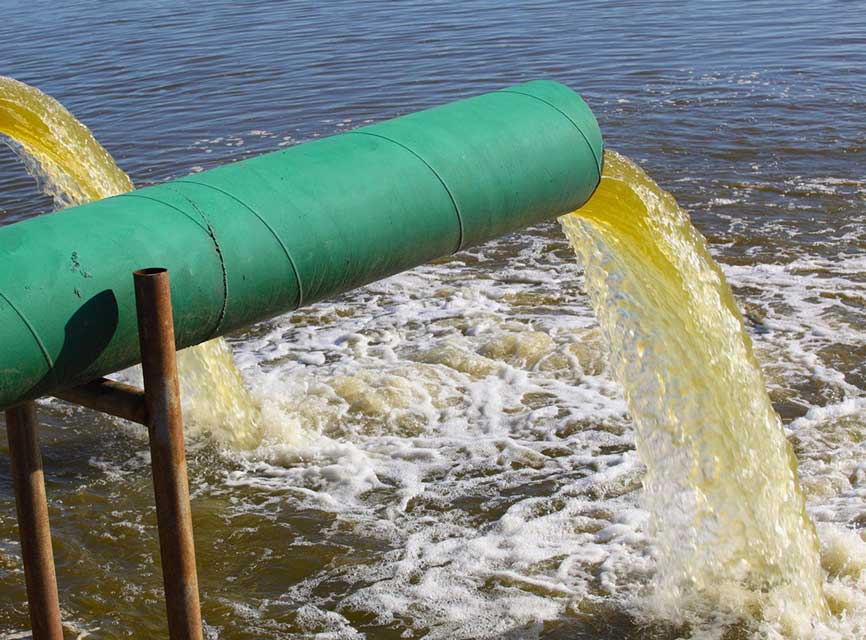
Industrial effluent

Marine and offshore platforms
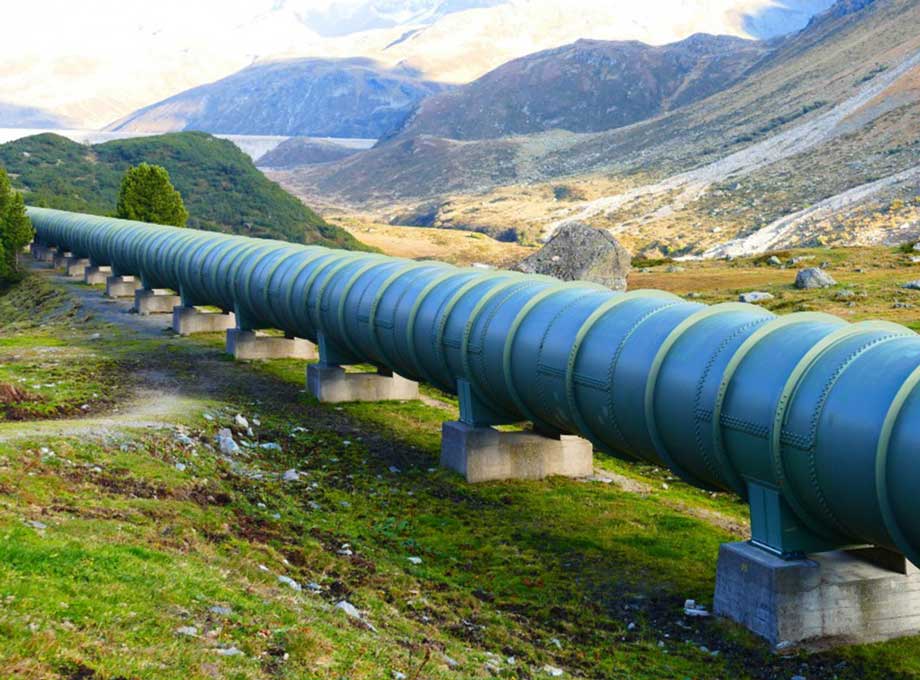
Transfer of drinking water
Advantages of Megatite PH adhesive
- Thermal resistance up to 302°F (150°C).
- High chemical resistance towards most chemical materials
- Texotropic properties.
- Suitable for metals and fiberglass components i.e. GRVE, GRP, GRE.
- Ambient curing
Uncured Physical Properties
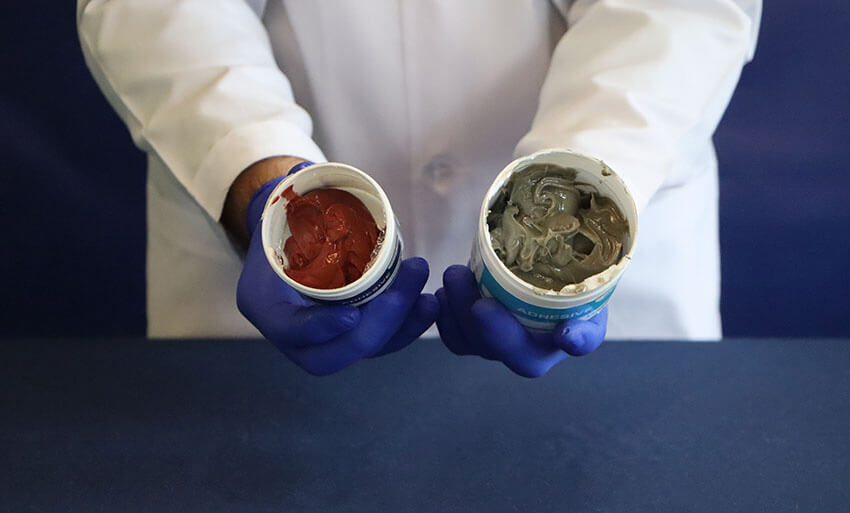
| Property | Resin | Hardener | Adhesive |
| Color | white | red | red |
| Viscosity in 77°F (25°C) | 4000 – 8000 | 2100 – 4000 | تیکسوتروپیک |
| Weight (g/cm2) | 1.2 | 1.2 | 1.2 |
| Gel time for 100g in 77°F (25°C) | – | – | 30 minutes |
Directions for Use
- Before mixing ingredients, degrease, clean and dry both surfaces completely. You can use acetone, ethanol, methanol or other solvents. Use a cloth or soft sandpaper to clean surface of any dust or foreign matter. If the adhesive was not added within one hour after cleaning, the cleaning process must be repeated.
- Mix all the resin in the container with all the hardener, never mix an approximate amount of the ingredients. The formulation must be thoroughly mixed for at least three minutes until a homogenous mixture is achieved.
- Apply adhesive with a 0.5-0.8mm thickness on the inner surface and a 0.8-1mm thickness on the outer surface of the bond then slowly bring both surfaces close to each other to tighten. Rotate the tube by a quarter period if possible. Make sure the bond is set completely. If needed, use a wooden hammer to hit the end of the pipe. Never hit pipes and fittings with a metal hammer.
- Remove excess adhesive with the spatula.
- Ensure the heat curing cycle before using or testing the pipe line. You can find full cure time in different temperatures in table 2. No impact stress should be applied on the connection during cure time (i.e. removing or shaking pipes). To achieve maximum chemical and mechanical properties, expose the bond to cure in 302°F (150°C) for one hour using a heating blanket.
Processing
The mix ratio is five parts of resin to one part of hardener (100g of resin to 20g of hardener.)
| Mix ratio | According to weight |
| Resin | 100g |
| Hardener | 20g |
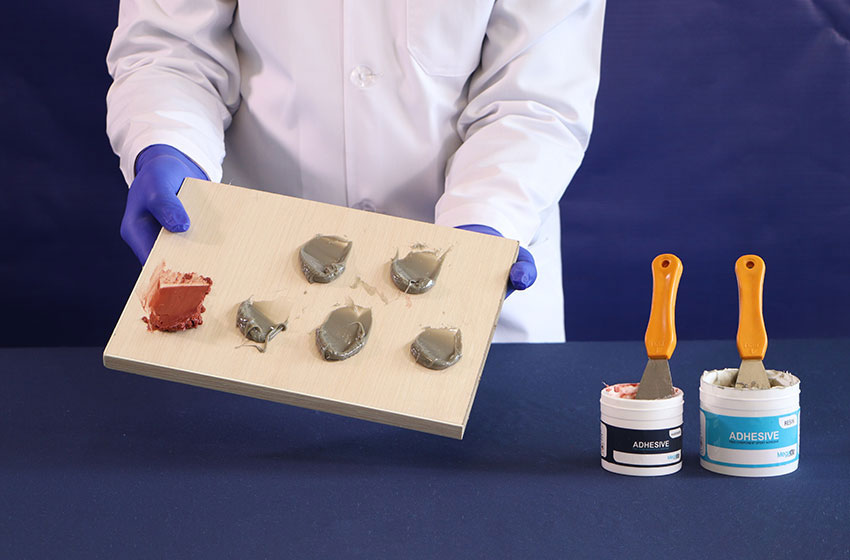
The formulation can be applied directly or using a spatula on the clean and dry surface. The joint components should be assembled and clamped as soon as the adhesive has been applied. An even contact pressure throughout the joint area will ensure optimum cure.
Curing Conditions
| Temperature | 59°F (15°C) | 77°F (25°C) | 104°F (40°C) | 140°F (60°C) |
| Time needed to obtain minimum 1 MPa shear force | 7 hours | 3 hours | 1 hour | 30 minutes |
| Temperature | 176°F (80°C) | 212°F (100°C) | 248°F (120°C) | 302°F (150°C) |
| Time needed to obtain minimum 10 MPa shear force | 2 hours | 1.5 hour | 1 hour | 45 minutes |
After room temperature curing, a bond with optimal properties is obtained. But in case higher properties are needed, post cure or heat cure the joint area. For post curing, one hour at 248°F (120°C) or one hour at 302°F (150°C) is suggested.
Pot Life
The pot life of the adhesive from mixing the ingredients until hardening and being no longer in use is shown in the following table and is calculated for 100g of adhesive in various temperatures.
| Temperature | 59°F (15°C) | 68°F (20°C) | 77°F (25°C) | 86°F (30°C)30 | 95°F (35°C) |
| Time | 50 minutes | 35 minutes | 30 minutes | 25 minutes | 20 minutes |
Cure time
Special heating blankets should be used to cure. The cure time is based on the distance of the heating blanket and the bond line. The bond line should be preheated if it was below 59°F (15°C) or above 75% of humidity.
The following table shows the needed full cure time for a thin layer of adhesive.
| Temperature | 176°F (80°C) | 284°F (120°C) | 302°F (150°C) |
| Full cure time | 2 hours | 1 hour | 45 minutes |
Cured Characteristics
The following table shows the shear strength of the adhesive on different surfaces. Shear strength on metal surfaces is measured according to ASTM D 1002 standards. Shear strength on composite surfaces is measured according to ASTM D 5868 standards.
Adhesive shear strength in heat curing
| Surface material | Average strength (MPa) |
| Steel | 16 |
| GRP | 10 |
| GRE | 10 |
| GRVE | 10 |
| CFRP | 14 |
Preparing surface: sand blasted, washed with acetone. Curing conditions: 24 hours in room temperature and one hour in 248°F (120°C)
Adhesive shear strength in 176°F (80°C)
| Temperature | Shear strength (MPa) |
| 176°F (80°C) | 15.5 |
| Preparing surface: sand blasted, washed with acetone. Curing conditions: 24 hours in room temperature and one hour in 248°F (120°C). Used steel as surface. | |
Adhesive shear strength after being immersed in fluid for 90 days in room temperature.
Room temperature cured
| Immersion fluid | Shear strength (MPa) |
| Acetone | 13 |
| methanol | 12 |
| Distilled water | 14 |
| Acetic acid 10% | 13 |
| Sulfuric acid 10% | 13 |
Preparing surface: sand blasted, washed with acetone. Curing conditions: 24 hours in room temperature and one hour in 248°F (120°C). Used steel as surface.
Adhesive shear strength after being immersed in water in different temperatures.
| Immersion condition in water | Shear strength (MPa) |
| Initial amount in 73.4°F (23°C) | 16 |
| After 2000 hours in 73.4°F (23°C) | 16 |
| Initial amount in 176°F (80°C) | 15.5 |
| After 2000 hours in 176°F (80°C) | 17 |
| Initial amount in 212°F (100°C) | 16 |
| After 2000 hours in 212°F (100°C) | 16 |
Preparing surface: sand blasted, washed with acetone. Curing conditions: 24 hours in room temperature and one hour in 248°F (120°C). Used steel as surface.
Determination of TG by DSC method
TG test was applied on heat cured and room temperature cured adhesives to identify adhesive’s heat resistance. The test was applied according to ASTM E 1356 standards.
| Cure conditions | TG |
| 24 hours in room temperature and one hour in 248°F (120°C) | 249°F (121°C) |
| 24 hours in room temperature and one hour in 302°F (150°C) | 298.4°F (148°C) |
Absorption rate of water and chemicals
The absorption rate of water and chemicals were calculated in different time periods according to ASTM D 570 standards.
| Immersion fluid | Immersion time | Absorption rate (%) |
| Distilled water | 2000 hours | 0.06 |
| methanol | 2000 hours | 1 |
| acetone | 2000 hours | 0.08 |
| Xylene | 2000 hours | 0.2 |
Cure conditions: 24 hours in room temperature and one hour in 248°F (120°C)
Precautionary Information
- In case of contact to skin, wash immediately with plenty of cold water and soap. Wash and reuse contacted clothing.
- In case of eye contact, wash eyes with plenty of water for 20 minutes, clean the lower and upper eyelids then see a doctor.
- In case of swallowing, do not vomit, keep the patient warm and immediately transfer to hospital.
- Keep out of reach of children
- Keep away from fire
Storage
- Maximum storage life for sealed products is 24.
- Store indoors in 41-95°F (5-35°C).
- In lower temperatures, mixing the ingredients would be more difficult. In higher temperatures, its active lifespan would be shortened.
- Do not use after expiring date.
- Check the expiring date label on the package.
Packaging
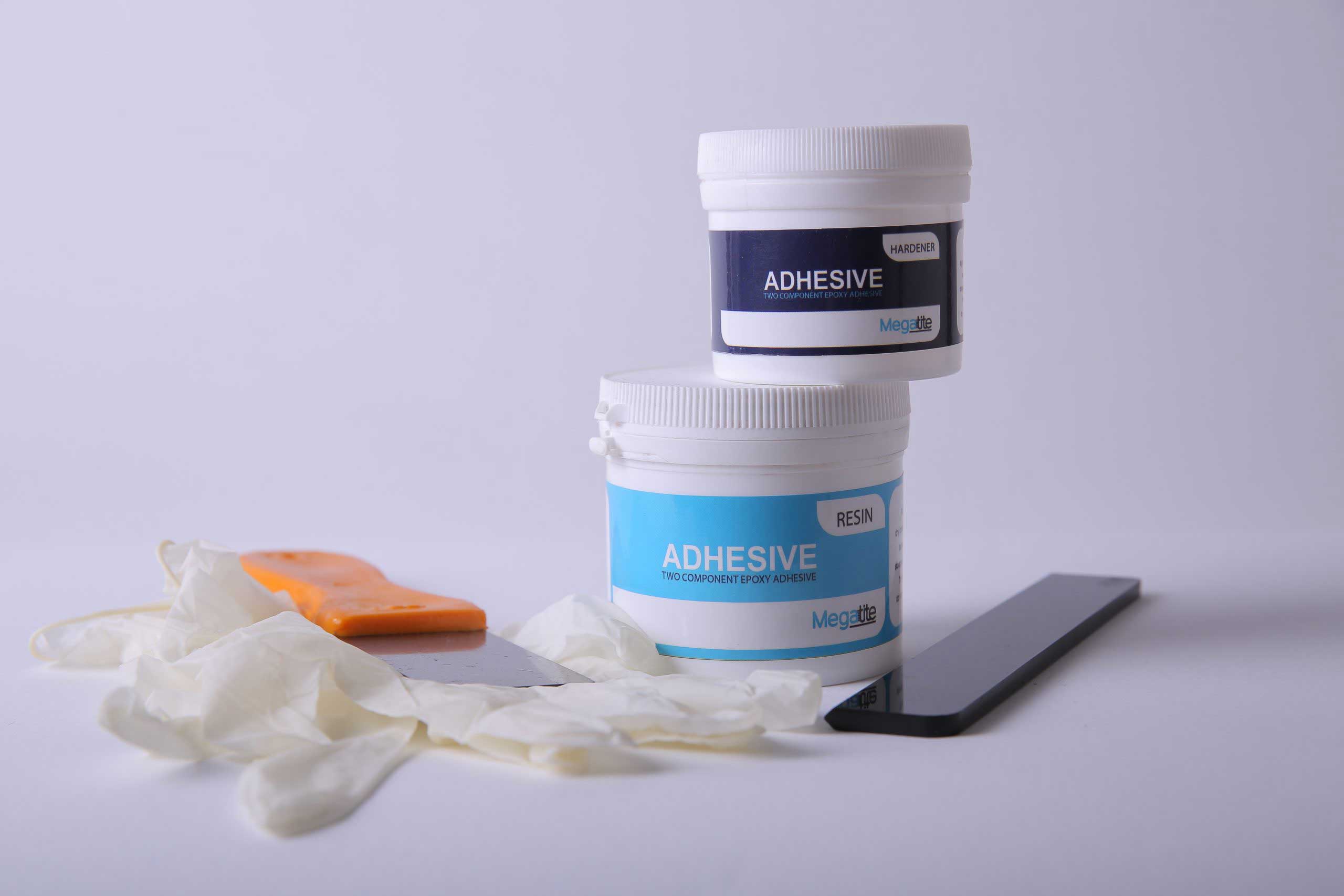
Each product comes with two parts (resin and hardener), a spatula and elastic gloves. It is available in the following packages:
| 100 grams |
| 200 grams |
| 250 grams |
Different packaging is available upon request.
Shelf Life
Maximum storage life for sealed products is 24 months if stored at 35-104 °F (2-40°C) with no change in adhesion nor appearance. The expiring date is mentioned on the package.
Product order and inquiry
?Interested in getting a quot
?Or do you have a phone call request
Complete the form
.We will contact you soon
Also, read on our blog:

Comprehensive Guide to Repair and Reconstruct Concrete and Stone
How can stone and concrete fractures be repaired with epoxy adhesive? After several years of using the building, its various surfaces may be damaged and

Comprehensive Guide on How to Install Stone Facades with Epoxy Adhesive
How to use epoxy adhesive to install stone facade One of the methods of garnishing structures is to use stone as a facade. Today, this

Application of Epoxy in Various Industries
How epoxy is used in different industries Epoxy is widely used and has become a versatile product in many industries for its high adhesion quality.
